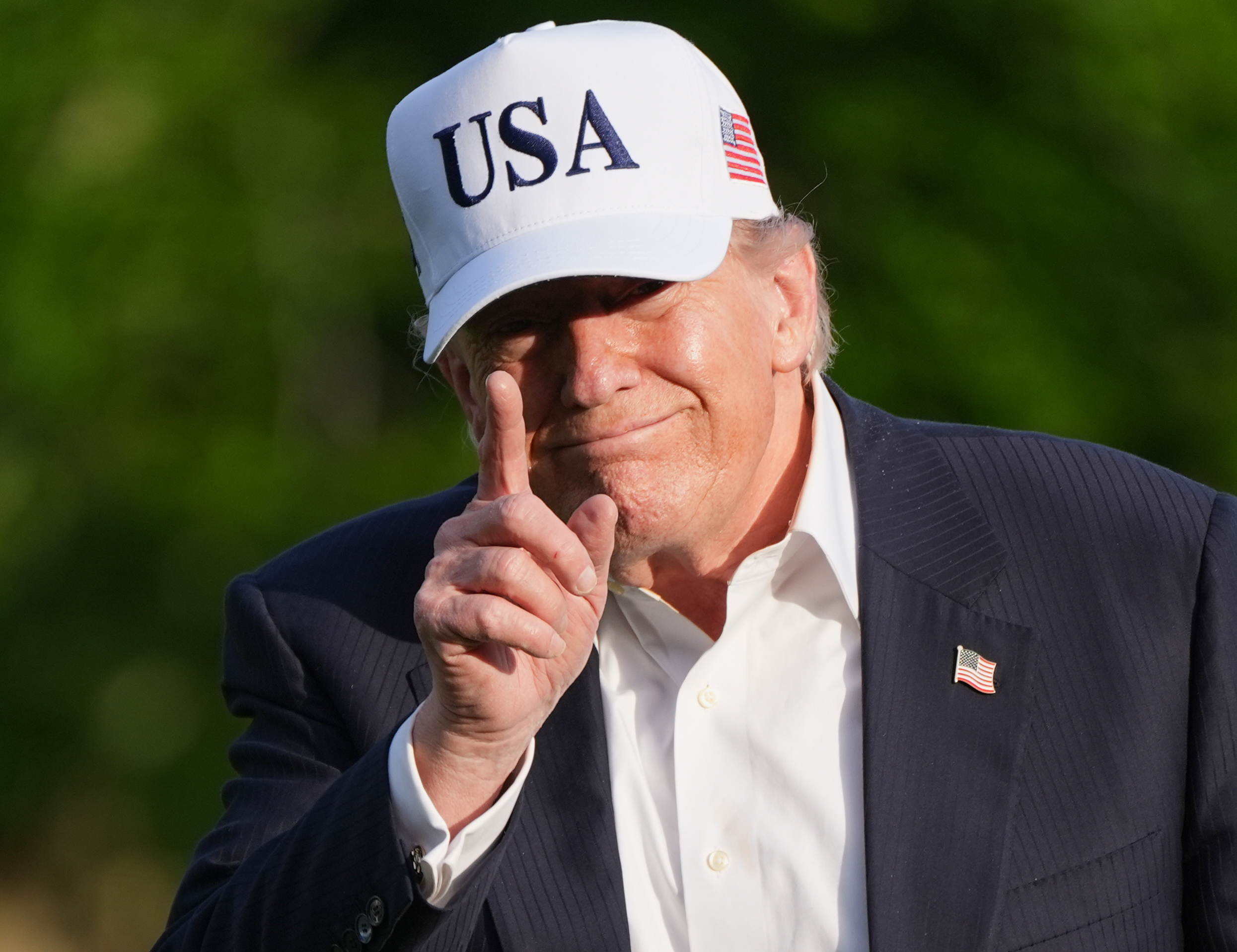
President Donald Trump gestures to reporters as he walks across the South Lawn of the White House, Friday, May 15, 2026, in Washington, on return from Beijing where he met with China's President Xi Jinping. (AP Photo/Jacquelyn Martin)
The Trump administration unveiled a new slate of global tariffs on Thursday, again circumventing the Supreme Court after it struck down President Donald Trump’s sweeping tariff policy earlier this year.
Read more DOJ Agrees to Withdraw Subpoenas Issued to New York Times Reporters
Jamieson Greer, the U.S. trade representative, said Thursday that the administration would use Section 301 of the Trade Act of 1974 to place new tariffs on 60 countries. The tariffs would range from 10% to 12.5% and target multiple allies. Canada, Mexico, and the United Kingdom would be subject to a 10% tariff.
“The United States has had a forced labor import ban for nearly a century, and rigorously enforces it; it’s well past time for our trading partners to do the same,” Greer said in a statement.
The administration justified the tariffs by claiming that some of the countries have done too little to prevent the import of goods made with forced labor. Section 301 allows the administration to place tariffs in response to unfair, unjustifiable, or discriminatory foreign trade practices.
Trending
-
Suspicion and Doubt at the National Civics Contest
-
John Thune and the White House Are Openly Fighting Over the SAVE Act
-
McConnell’s Absence is Grinding Some Senate Business to a Halt
-
You Have Dining Questions. Tom Sietsema Has Answers.
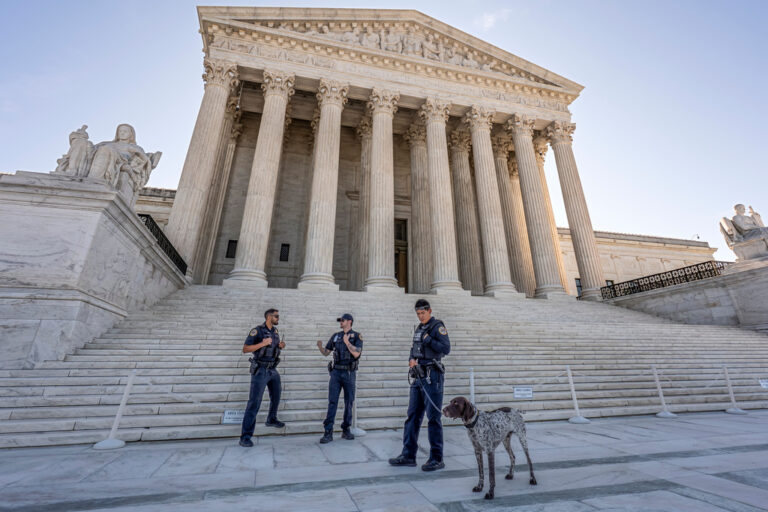
In February, the Supreme Court struck down Trump’s use of the International Emergency Economic Powers Act to enact tariffs. The Trump administration then opted to use Section 122 of the Trade Act of 1974 to levy a 10% global import tariff.
But those tariffs cannot be in place for more than 150 days and would expire on Friday without approval from Congress to extend them.
Read more John Thune and The White House Are Openly Fighting Over the SAVE Act
The new tariffs would have no expiration date and were announced just days after Trump said he would place a 50% tariff on some Canadian goods.
The renewed turbulence in the trade world comes just months before the midterm elections.
“[Section] 122 is really designed to be like an emergency power authority. I think they recognized they weren’t going to keep this long term,” Andrew Siciliano, the global and U.S. head of trade and customs at KPMG, told NOTUS. “They were probably planning for six months to come up with a new mechanism to apply the tariffs.”
The administration’s abrupt shifts in tariff policy have complicated the broader global trade environment. Siciliano described it as “extremely disruptive,” but added that businesses are learning to anticipate and adjust.
Read more House Republicans Focus on Democrats’ Plans, Not Their Own Wins
About the Author