FILE - Board of Governors of the Federal Reserve member Lisa Cook, speaks during a conversations with leaders from organizations that include nonprofits, small businesses, manufacturing, supply chain management, the hospitality industry, and the housing and education sectors at the Federal Reserve building, Sept. 23, 2022, in Washington. (AP Photo/Manuel Balce Ceneta, File)
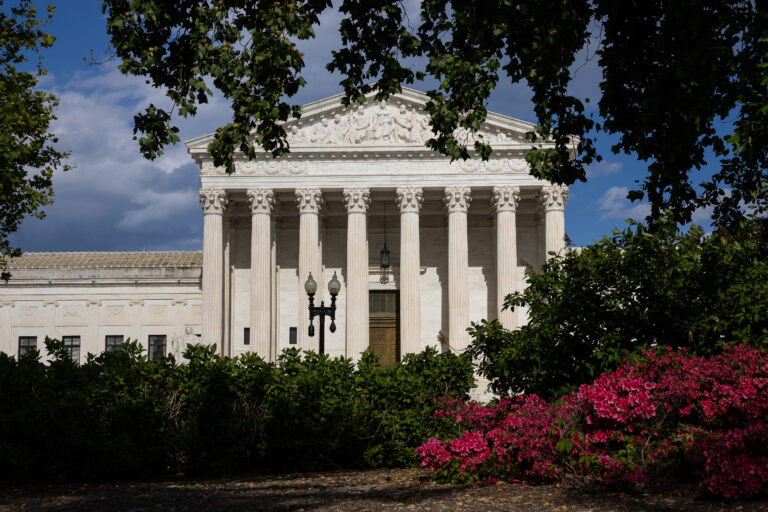
The Supreme Court on Monday President Donald Trump’s attempt to fire Federal Reserve Governor Lisa Cook, a landmark ruling that limits the president’s control over the independent central bank.
Read more Inside Republicans’ Plan to Win the Midterms
In a 5-4 decision, the majority ruled that Cook can continue serving in her role while a legal case challenging her termination plays out.
“Acceptance of the Government’s position would in effect transform the Federal Reserve’s for-cause protection into at-will employment—an interpretive leap out of step with the statute Congress enacted and our Nation’s tradition of central banking protected from political interference,” Chief Justice John Roberts wrote for the majority.
The Justices argued that “Congress, not the courts” must change any federal law regarding the removal of members of independent agencies.
Cook did not immediately comment on her legal victory Monday morning.
The decision did “not address Cook’s constitutional due process argument, for the statute alone makes it unlikely that the Government will prevail on appeal as to the validity of the procedures used to fire Cook.”
The statute does not define the exact requirements to fire a member of the board “for cause” — though the Trump administration in a Supreme Court filing that “it allows removal for misconduct, incompetence, [or] failure to perform statutory duties.”
Bill Pulte, who this month added a role as acting director of national intelligence to his portfolio and launched his own mass firing campaign at the agency, accused Cook of mortgage fraud in August as director of the Federal Housing Finance Agency. Pulte referred the case to the Justice Department, claiming on social media that Cook falsely identified her primary residence to qualify for beneficial loan terms in 2021 — before joining the Federal Reserve.
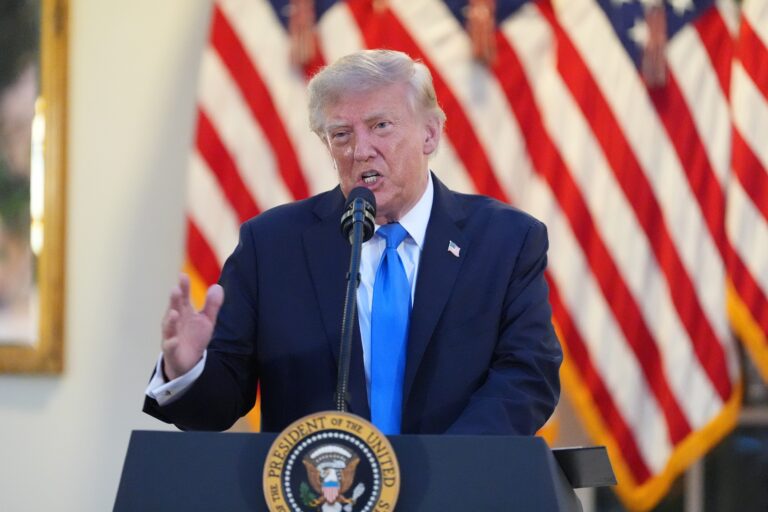
Trump sent a letter to Cook on Aug. 25 “notifying her of her dismissal from office.” Three days later, Cook sued the president, the Board of Governors of the Federal Reserve and Fed Chair Jerome Powell to block her removal from office. Federal courts granted Cook a preliminary injunction in September, allowing her to remain on the Fed’s board while the Trump administration appealed to the Supreme Court.
Read more U.S. Chamber of Commerce Lobbies Against Defense Stock Buyback Proposal
Cook was never charged with any wrongdoing in relation to Pulte’s accusations. Her attorney, Abbe Lowell, called the case “baseless” in a letter to the Justice Department.
Justice Clarence Thomas dissented, defending the president’s actions and rejecting Cook’s claim that her attempted termination was unconstitutional.
“Today’s decision is an unprecedented incursion on the Executive Branch. Neither the parties nor the Court can point to a single time in American history that this Court has upheld an injunction against the President’s removal of an executive officer,” Thomas wrote.
Cook incurred more than $1.3 million in legal and security expenses in her attempt to block her removal from the board, according to a released Thursday for her 2025 expenditures.
President Joe Biden appointed Cook in 2022 to a 14-year term, making her the first Black woman on the board.
Trump targeted Cook and the Fed in general as part of an aggressive push to get the central bank to lower interest rates.
The president repeatedly attacked Powell after he refused to acquiesce to Trump’s pressure campaign. When Powell’s term as chair ended in May, Trump replaced him with Kevin Warsh, who’s expected to be more amenable to the president’s economic agenda.
Read more Luis García Jr. Won’t Stop Homering
About the Author