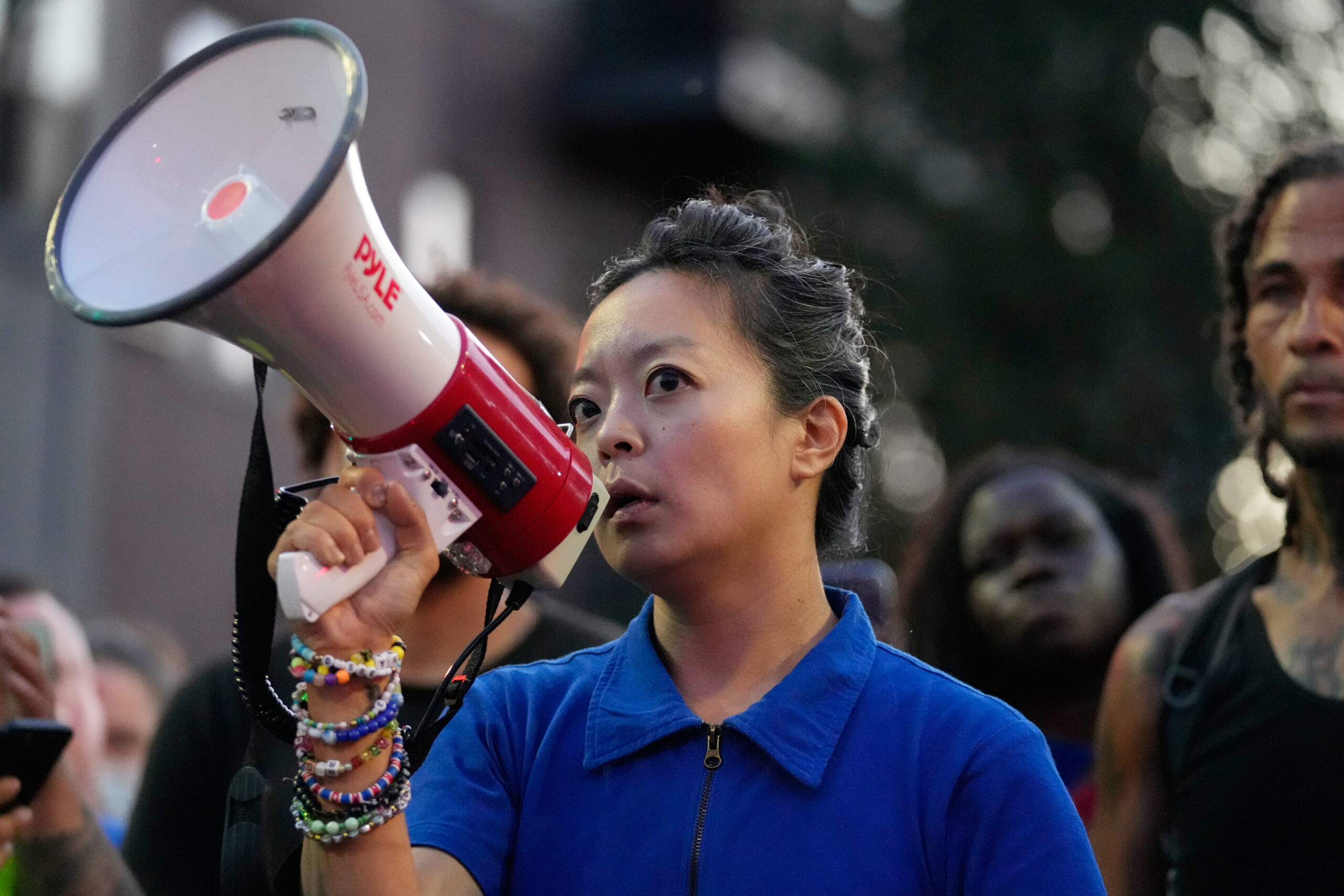
Gubernatorial candidate Francesca Hong speaks alongside protesters near where a Madison police officer shot and killed a man Wednesday, July 22, 2026, in Madison, Wis. (AP Photo/Kayla Wolf)
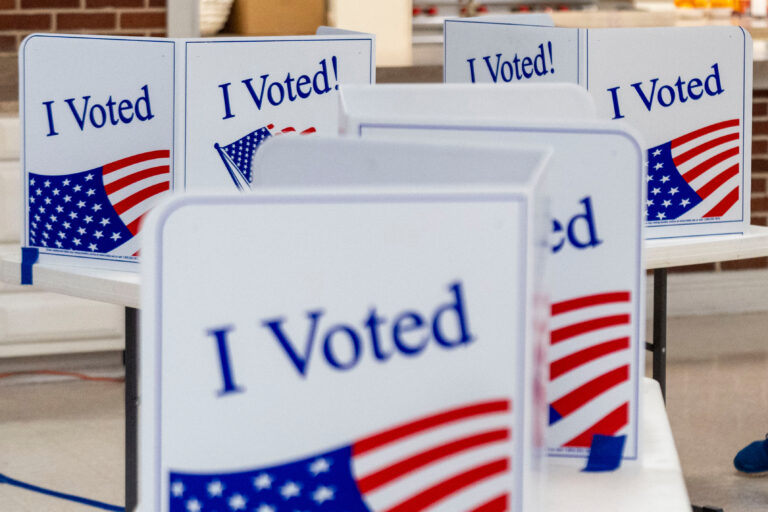
As the Democratic Party prepares for its 2028 presidential primary, recent polling errors in marquee midterm primary races have left Democrats wondering anew how polls will influence the field’s momentum.
Read more CBP Boss Pauses Controversial Border Construction Project at Big Bend National Park
The results in Wisconsin’s gubernatorial and Michigan’s Senate primaries were wildly off from what preelection polling had indicated. These misses raised the question of how much polls can be trusted, and it’s especially on the minds of Democratic campaign advisers and donors as the next presidential cycle approaches and they have to determine where to spend their time and money.
That might leave room for candidates to make the case that they’re competitive based on vibes and other metrics, like fundraising numbers, crowd sizes and number of online followers.
“We are going to enter an election season where there are a bajillion new sources of information, and no standard way to figure out which one means what,” said Ben Wikler, a former chair of the Wisconsin Democratic Party. “We’re also going to be in a world where candidates and voters trusting their gut and making their case and seeing how the public responds will be more important than it ever was.”
Trending
-
The ‘Body Guy Caucus’: The Lives of the Men and Women Paid to Shadow Senators
-
‘Graveyard for Grants’: NIH Is Holding Up Medical Research Funding
-
More than 200,000 Canadians Want Trump’s U.S. Ambassador Gone
-
James Talarico’s Campaign Is Refunding Over $1 Million in Excess Contributions
Wikler watched as polls in his state didn’t capture what he thinks is the most telling measure of a candidate’s chances: conversations with voters.
“There was that kind of evidence on the ground that there was something happening and a new level of energy for Crowley in the final stretch that wasn’t picked up in polls that closed a week before,” Wikler said.
Public polls in Wisconsin exaggerated Francesca Hong’s chances of beating David Crowley, the moderate candidate backed by the state’s governor, last week.
Hong, a democratic socialist who was projected to beat her primary opponents by double digits, narrowly lost to Crowley, who had only recently revived his campaign after suspending it.
In postmortem analyses, polling experts found that the Wisconsin polls — complicated by an evolving field of candidates — missed the undecided late voters who broke for Crowley. Wisconsin wasn’t an anomaly, either.
The other high-profile polling error occurred in another battleground state, Michigan, which will be one of the earliest states to vote in the Democratic nominating calendar in 2028.
Read more Ethics Committee to Investigate Rep. Jimmy Gomez Over Sexual Misconduct Allegations
Poll-defying performances have led to consequential victories for presidential candidates in battleground states like Wisconsin and Michigan. In 2016, polls consistently showed Hillary Clinton ahead of President Donald Trump in both states, which Trump ultimately won.
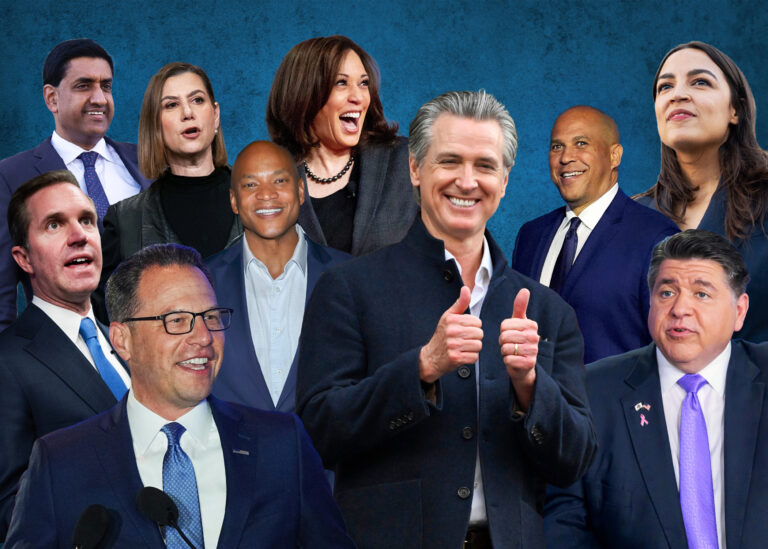
Since then, multiple cycles of mistaken polls may change how Democrats gauge momentum in what’s expected to be a crowded and unruly Democratic presidential primary field in 2028, particularly as polls have played such a key role in elevating candidates.
“Polls are a snapshot in time, and just kind of catch fire at the right moment, and all of a sudden they’re polling in whatever high bracket, and then that helps them raise money, that helps them get on the debate stage, and it becomes this cycle,” a Democratic strategist who worked on past presidential campaigns said. “But that doesn’t necessarily reward the best candidate.”
Polls can be consequential in a candidate’s strategy. Candidates use them to decide where to visit or spend money on advertisements, and in presidential elections, polls are one factor in deciding who qualifies to participate in a debate.
The best use of a poll is to show a campaign the voters they can still win over, said Charles Franklin, the director of the Marquette University Law School Poll.
“Sophisticated campaigns are using them to know which groups they still have the opportunity to influence,” Franklin said.
Trouble arises when campaigns treat polls as the only way to judge a campaign’s performance, some Democrats argue.
“The information you get from these public polls is one grain of sand in a beach of information about how to judge a candidate and a campaign, and too often it’s treated as the only piece of information that helps you tell the story of what’s going on,” said an adviser to a potential 2028 candidate who requested anonymity.
Read more More than 200,000 Canadians Want Trump’s U.S. Ambassador Gone
About the Author