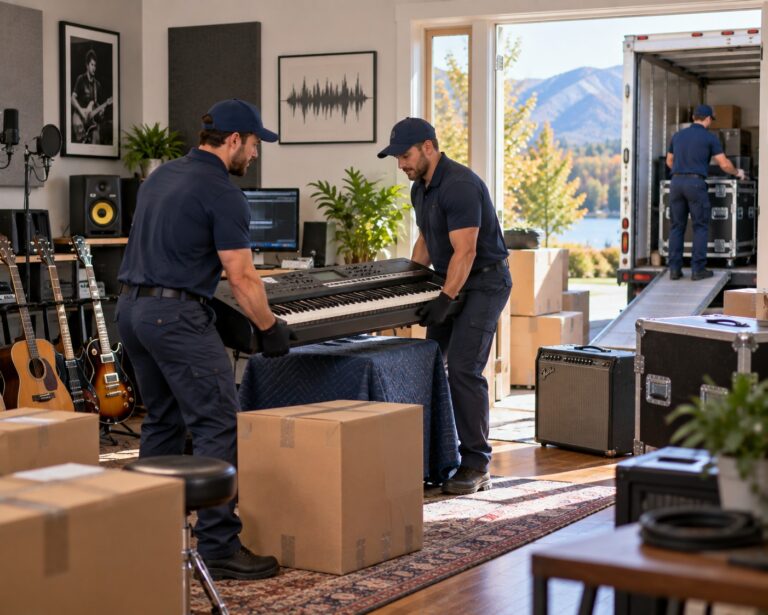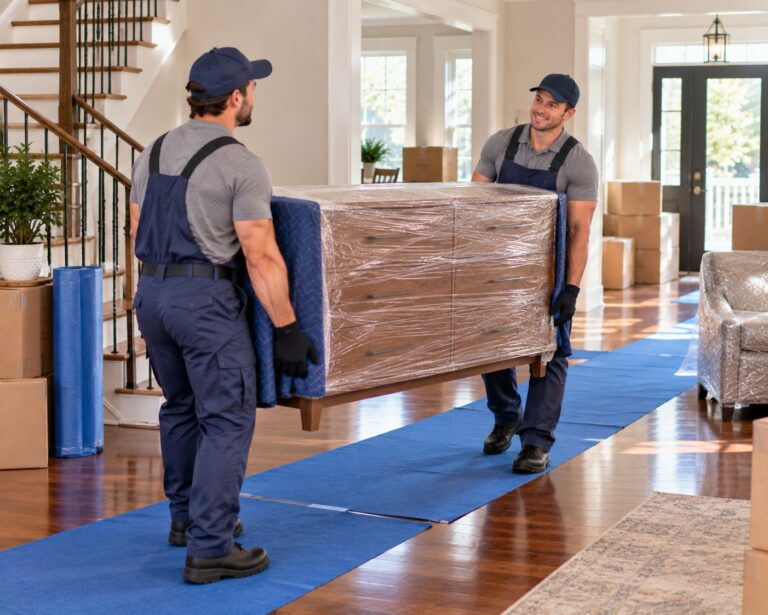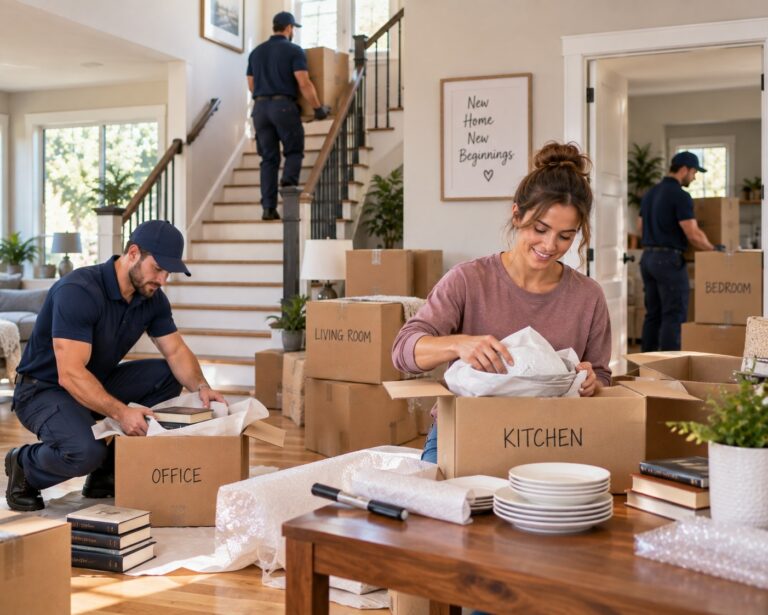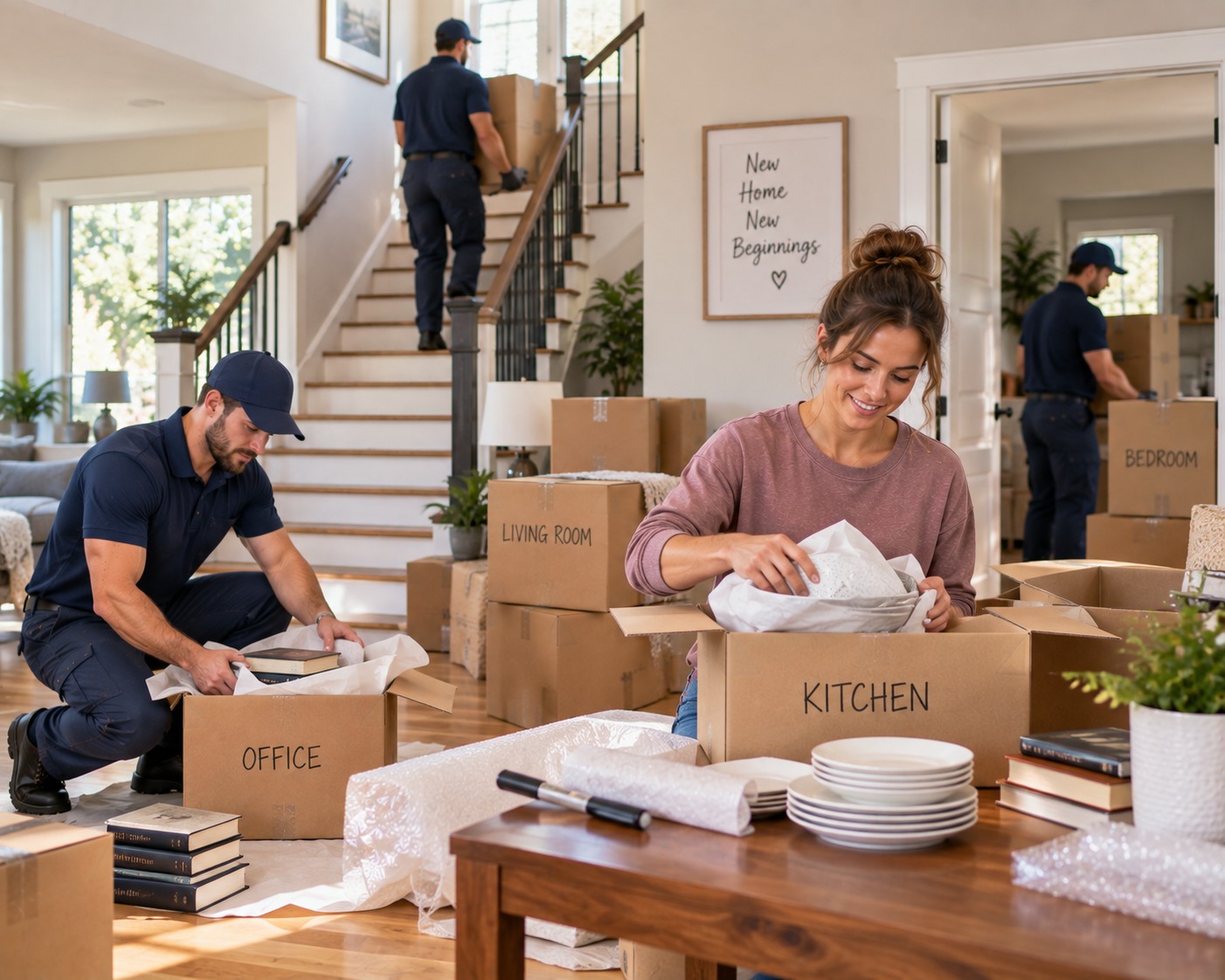
A multi-level home creates a different kind of moving challenge. The distance between floors may be short, yet every staircase, landing, doorway, and narrow corridor adds another logistical decision. Boxes have to be assigned to the correct level, heavy furniture requires careful handling, and poorly organized cartons can turn unpacking into a frustrating search.
The most effective approach is to treat the house as a series of connected zones rather than one enormous packing project. Price Movers https://pricemovers.com/ provides household moving assistance and offers packing and unpacking solutions designed around different belongings, including household goods, electronics, fragile items, appliances, and specialized possessions.
Create a Floor-by-Floor Packing Plan
Before packing begins, walk through every level and identify what belongs there. This simple step prevents boxes from different floors becoming mixed together.
Assign a Clear Identity to Each Level
Give every floor its own packing category. Bedrooms and closets may occupy an upper floor, while the kitchen, dining area, and living room may be downstairs. Garages, basements, and attics should be treated as separate zones rather than forgotten storage spaces.
Label cartons with both the room and floor whenever possible. “Bedroom — Upper Floor” is considerably more useful during unloading than simply writing “Bedroom.”
Begin With Less-Used Areas
Guest rooms, storage closets, seasonal decorations, and rarely used equipment can usually be packed before everyday essentials. This creates progress without disrupting normal household routines.
Keep frequently used kitchenware, clothing, toiletries, chargers, and important documents accessible until the later stages.
Make Staircases Part of the Strategy
Stairs are one of the most important features of a multi-level move. They affect how boxes and furniture are carried and can also become congested during packing.
Keep Steps and Landings Clear
Never allow completed boxes to accumulate on staircases or narrow landings. A blocked route makes carrying larger objects more difficult and creates an unnecessary obstacle for everyone working in the home.
Finished cartons should be moved to a designated staging area where they can remain secure without interfering with traffic.
Handle Heavy Items Separately
Books, tools, dense kitchen equipment, and other heavy belongings should be packed into smaller boxes that remain manageable to lift. Oversized cartons filled with heavy contents are particularly awkward on stairs.
Large furniture should be assessed individually. Some pieces may need disassembly before they can safely pass through doorways or navigate turns.
Protect Belongings According to Their Location
Different rooms require different packing methods. A kitchen may contain fragile dishes, while an upstairs office could include computers, monitors, documents, and cables.
Use Extra Protection for Vulnerable Items
Glassware, mirrors, artwork, electronics, and decorative objects should receive suitable cushioning and separation. Keeping delicate belongings together in clearly marked cartons can make loading and unloading more controlled.
Price Movers notes that its packing services can accommodate fragile goods, electronics, large appliances, personal effects, and specialized items, allowing the packing approach to vary according to what is being transported.
Prepare for Unpacking Before the Truck Arrives
Good unpacking starts during the packing stage. If cartons are labeled inconsistently, the problem becomes much larger once they are distributed across several floors.
Create Priority Boxes
Prepare separate boxes containing essentials for the first evening and morning. Include basic toiletries, medications, chargers, towels, simple kitchen supplies, clothing, and other necessities.
Mark these cartons clearly so they can be unloaded first rather than buried beneath less urgent possessions.
Consider the Order of Room Setup
There is no universal rule for which floor must be unpacked first. Instead, prioritize the rooms that will make the house functional.
For a family, bedrooms may be the immediate priority. In another household, setting up the kitchen and home office could matter more. The important point is to decide before unpacking becomes chaotic.
Keep the Unpacking Process Organized
Once boxes enter the new home, direct them to their intended floors immediately. Avoid creating a large pile of mixed cartons in the entrance or living room.
Unpack One Zone at a Time
Completing one room before opening boxes from another can produce a much clearer sense of progress. Flatten empty cartons and remove packing materials as rooms are completed so they do not obstruct the remaining work.
For households that want additional assistance, packing and unpacking solutions can cover different stages of the relocation rather than requiring the homeowner to manage every box personally.
Plan Around Furniture First
Large furniture often determines how the rest of a room will function. Beds, wardrobes, desks, sofas, and dining tables should be positioned before smaller possessions are arranged around them.
This prevents boxes from being unpacked into areas that will later need to be cleared for furniture. It also reduces unnecessary movement between floors.
A multi-level home does not have to become a maze of boxes. With floor-specific labeling, clear stairways, sensible weight distribution, priority cartons, and a deliberate room-by-room sequence, packing and unpacking can become a controlled process. The key is to plan vertically as well as horizontally, ensuring that every floor has its own place in the moving strategy.
About the Author