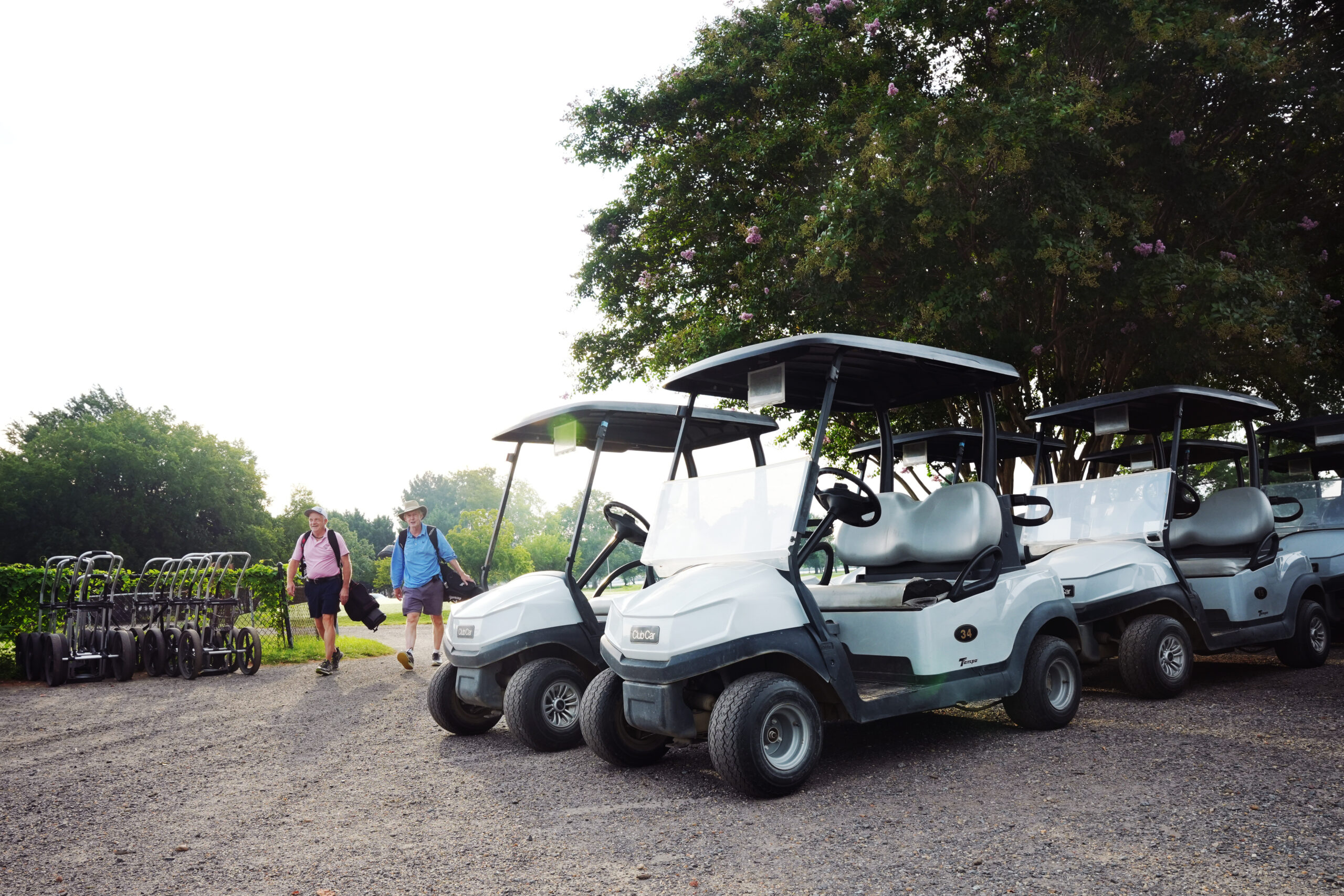
On the morning it was supposed to shut down, East Potomac Golf Links woke up just as it had for generations. Bicycles buzzed to the north. Jets growled to the south. The bleary-eyed toted their clubs — clank, clank, clank. The first golfer walked into the pro shop at 7:01 a.m.
Read more Early Departure
“We’re still here?” Sito Pantoja said.
“We’re still here!” replied a beloved clubhouse attendant known as “Country.”
Pantoja, a retiree from the suburbs, felt terrible for the employees. They’d been living in purgatory since last winter, when the president greenlit a plan to dump the dirt from his demolition of the White House’s East Wing in the nearby park — and then use that dirt to renovate the golf course.
Trending
-

A Nationals Homestand Full of Agony and Hope
-
‘This Place Doesn’t Have to Work This Way’
-

Trump Names New Acting Army Secretary After Tension-Filled Resignation
-
Prosecutors Say Trayon White Is Trying to ‘Tamper’ With Jury Pool
Months of politicking, protests and lawyering had led to Sept. 1 — the day President Donald Trump had said work would begin to turn the 300-acre municipal complex into a “championship” course capable of hosting professional tournaments. But when Pantoja got out of his car, he saw no blockades. He saw no bulldozers. He paid $29 and turned to head for the tee box.
“You’re gonna let this guy play here?” a friend joked, and the pro shop fell into a familiar rhythm.
For the rest of the week, in came a procession of polo shirts — fuzzy white, polyester black and every shade of the sweat-stained rainbow. They asked the clubhouse attendants how many more trees had been chopped down (dunno) and when they’d close for real (ditto). They asked whether they could book tee times for next week (sure can) and how the staff was holding up (“Can’t complain,” Country said). They asked for updates on the lawsuit to block the renovations (the Trump administration told a judge Thursday that 150 trees were recently removed for routine maintenance, not because major construction was imminent). “We’re still here!” attendants said over and over, and they told the golfers that it’d stay that way until they heard otherwise from the National Park Service.
Golfers seethed. They knew this precarity was not unique in Trump’s America, that they were just a few angry people in a nation that largely disapproved of how far he’d gone to reshape the capital in his own image. But it was still infuriating to think about the president, with all his other problems, paying such close attention to their little oasis. Last month, New York Times reporter Maggie Haberman estimated that Trump devotes 70% of his mental energy to his legacy projects, such as a triumphal arch, a new White House ballroom and renaming the Kennedy Center for the Performing Arts.
“He has no plan,” one man said.
“People can’t even buy gas,” said another.
“He just got his goddamn ballroom,” announced a man in a straw hat, holding up his phone to show everyone the Supreme Court had voted, 5-4, to clear the way for construction at the White House to continue. “He’s gonna get the Kennedy Center. This is next.”
Read more Crashing the Party
Mark Ellmore, another retiree, walked into the pro shop. He liked what Trump was doing. He came here all the time, sometimes just to walk around, and the course looked to him like it could use a little love. In his mind, the people who opposed the renovation were rich, old, white “humanists” who wanted the government to subsidize their golf. But today wasn’t the day to make that case, so he fist-bumped the clubhouse attendant and walked out.
The only appearance from the National Park Service was when a man in an official black polo stopped by to order lunch from the course grill.
Outside, the saws got closer to the clubhouse. RTEC Treecare had been chopping for a week and installed a pop-up notice on its website. “To Concerned Citizens,” it began, before going on to say it had proudly worked for the federal government for 30 years “across four presidential administrations.” One sentence was in bold: RTEC Treecare has not removed any cherry trees.
Inside, the pro shop was barren. Empty shelves. Blank slatwalls. Not even a box of golf balls.
“This is so sad,” a gray-haired woman said.
“We’re staying strong,” Country replied.
It went on like that until the shadows ate the greens. But even in near-total darkness, golfers kept swinging, not knowing when it would really end. And then, on Wednesday morning, the golf course woke up again. Bicycles. Jets. Clank, clank, clank. And on Thursday, at 7:01 a.m., Sito Pantoja, the retiree from the suburbs, stood at the first tee box with his friends, ready to keep swinging.
Read more Daylen Lile, Nationals Cornerstone?
About the Author