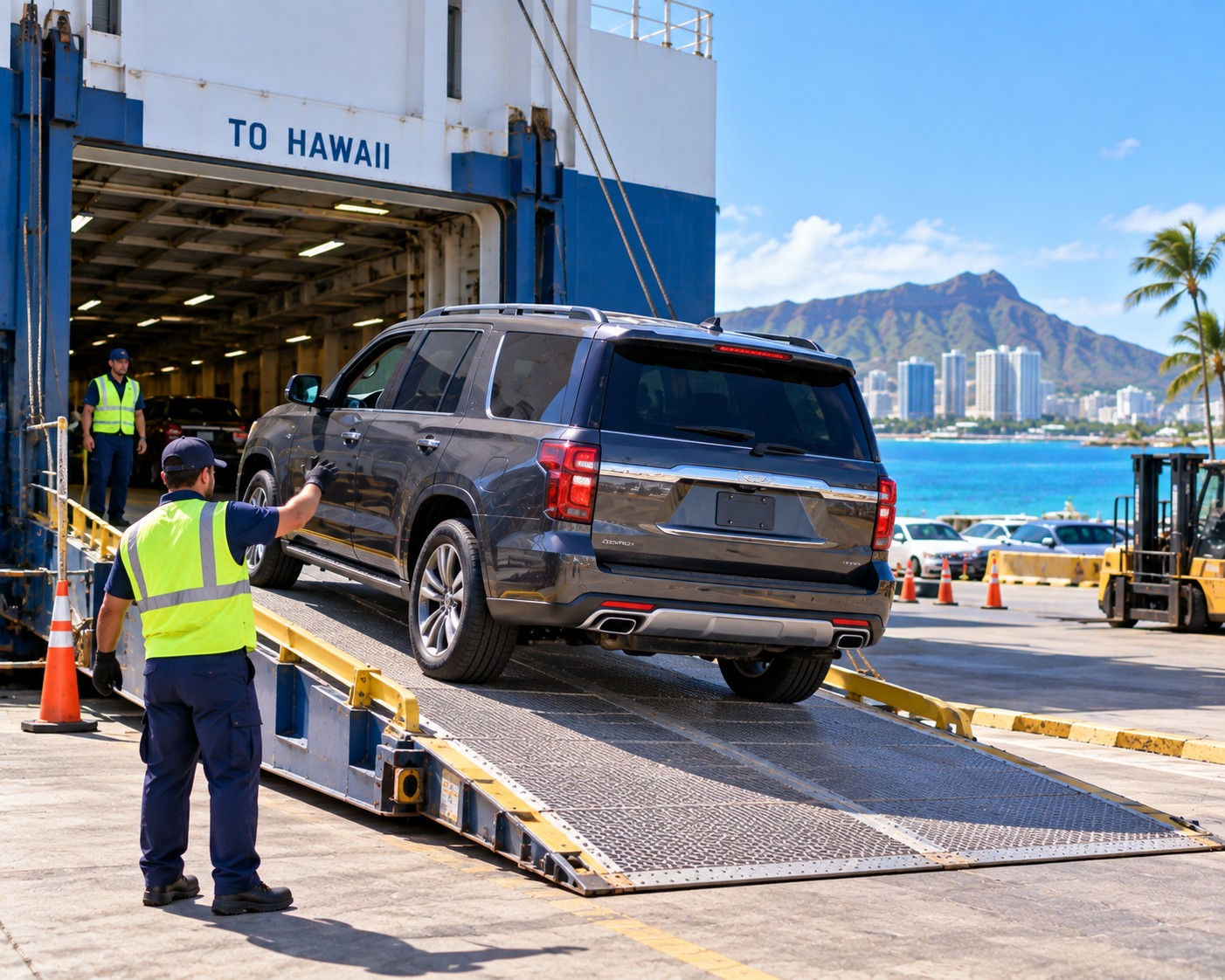
An SUV can be the perfect vehicle for island living, particularly for families who need extra passenger space, cargo capacity, or room for outdoor equipment. But transporting a larger vehicle from the mainland to Hawaii involves more planning than an ordinary road trip. The vehicle must be prepared for pickup, moved through mainland transportation channels, shipped across the Pacific, and eventually delivered on the island.
For owners planning Hawaii Vehicle Shipping, the process becomes easier to understand when the vehicle’s dimensions, condition, and transportation requirements are considered before pickup. Professional coordination can help ensure that a larger passenger vehicle moves through each stage without unnecessary complications.
Why SUVs Require Additional Planning
SUVs vary considerably in size. A compact crossover has very different dimensions from a full-size SUV, extended passenger vehicle, or heavily modified off-road model.
Before transportation is arranged, movers may need information about the vehicle’s make, model, approximate dimensions, running condition, and modifications. Roof racks, oversized tires, lift kits, exterior accessories, and other additions can affect how the vehicle is handled.
A professional moving team can use this information to prepare an appropriate transportation plan rather than treating every passenger vehicle the same way.
Measuring More Than the Vehicle Body
The overall dimensions matter when accessories extend beyond the standard body. Roof-mounted equipment, custom bumpers, running boards, and other modifications may influence clearance during handling.
Providing accurate details before pickup helps avoid surprises when the SUV reaches a loading facility.
Preparing the SUV Before Pickup
Vehicle preparation starts well before the carrier arrives. Owners should remove personal possessions and loose items from the cabin, cargo area, glove compartment, and other storage spaces.
Valuables, documents, electronics, emergency supplies, and removable accessories should generally be handled separately. The vehicle should also be inspected for existing scratches, dents, chips, and other visible conditions.
Photographs taken before pickup can create a useful record of the vehicle’s appearance.
For customers arranging https://hawaiimovingservices.com/, advance preparation can make the handoff more straightforward and give the transportation team the information needed to handle the vehicle appropriately.
Checking Mechanical Condition
A vehicle that starts and moves under its own power is easier to load and reposition than one requiring special assistance. Owners should communicate known mechanical issues before transportation.
The battery, tires, brakes, steering, and general operating condition may all be relevant during pickup and delivery. If an SUV is not operational, the transportation provider may need additional equipment to move it safely.
Fuel levels and other preparation requirements should follow the instructions provided for the specific shipment.
Protecting a Larger Passenger Vehicle
The size of an SUV means there may be more exterior surfaces and accessories that need consideration. Professional vehicle transport involves appropriate loading and securing procedures designed around the vehicle being moved.
Owners should point out modifications or particularly vulnerable components before pickup. Aftermarket equipment can change the vehicle’s clearance or create additional handling considerations.
A careful preparation process also helps distinguish ordinary factory components from accessories that may need separate treatment.
Planning the Pacific Transportation Stage
Hawaii Vehicle Shipping is not simply a matter of putting an SUV on a mainland highway and continuing toward the destination. The journey can involve mainland trucking, terminal handling, ocean transportation, and final delivery.
Customers should therefore think about the shipment as a sequence rather than a single trip. Pickup timing needs to work with the broader transportation schedule, while destination arrangements should account for where and when the vehicle can be received.
A useful resource for customers comparing transportation arrangements is https://hawaiimovingservices.com/car-shipping/, particularly when planning the vehicle portion of a broader relocation.
Preparing for Island Delivery
Before delivery, the owner should make sure the destination is accessible and someone is available to receive the vehicle. Gated communities, condominium buildings, narrow roads, and restricted parking areas can all influence the final handoff.
SUV owners may also want to consider where the vehicle will be parked immediately after delivery and whether any accessories removed for transportation need to be reinstalled.
Coordinating an SUV With a Household Move
For families relocating to Hawaii, the vehicle is often only one part of the shipment. Household furniture and personal belongings may travel through a separate process, making timing an important consideration.
Keeping the vehicle schedule and household moving schedule organized can make the overall relocation easier to manage. With accurate vehicle information, thoughtful preparation, and coordinated transportation, even a large SUV can make the journey from mainland roads to its new island home in a structured and predictable way.
About the Author