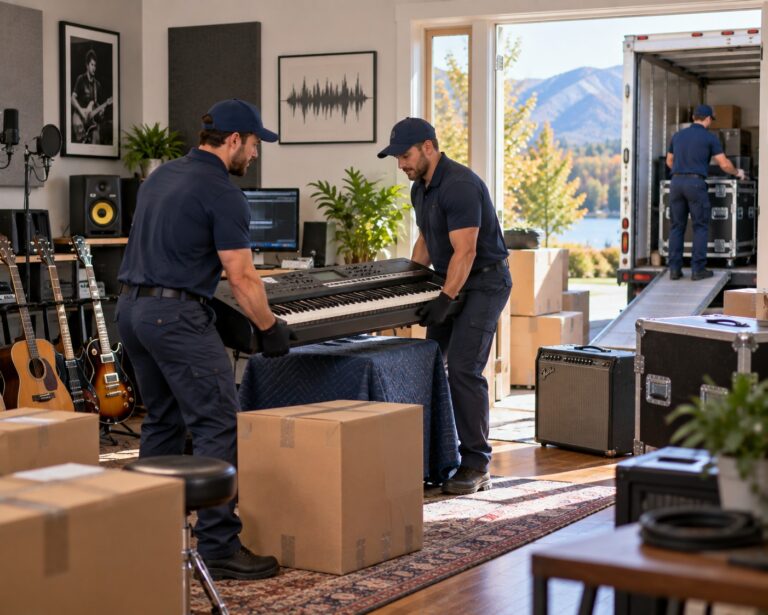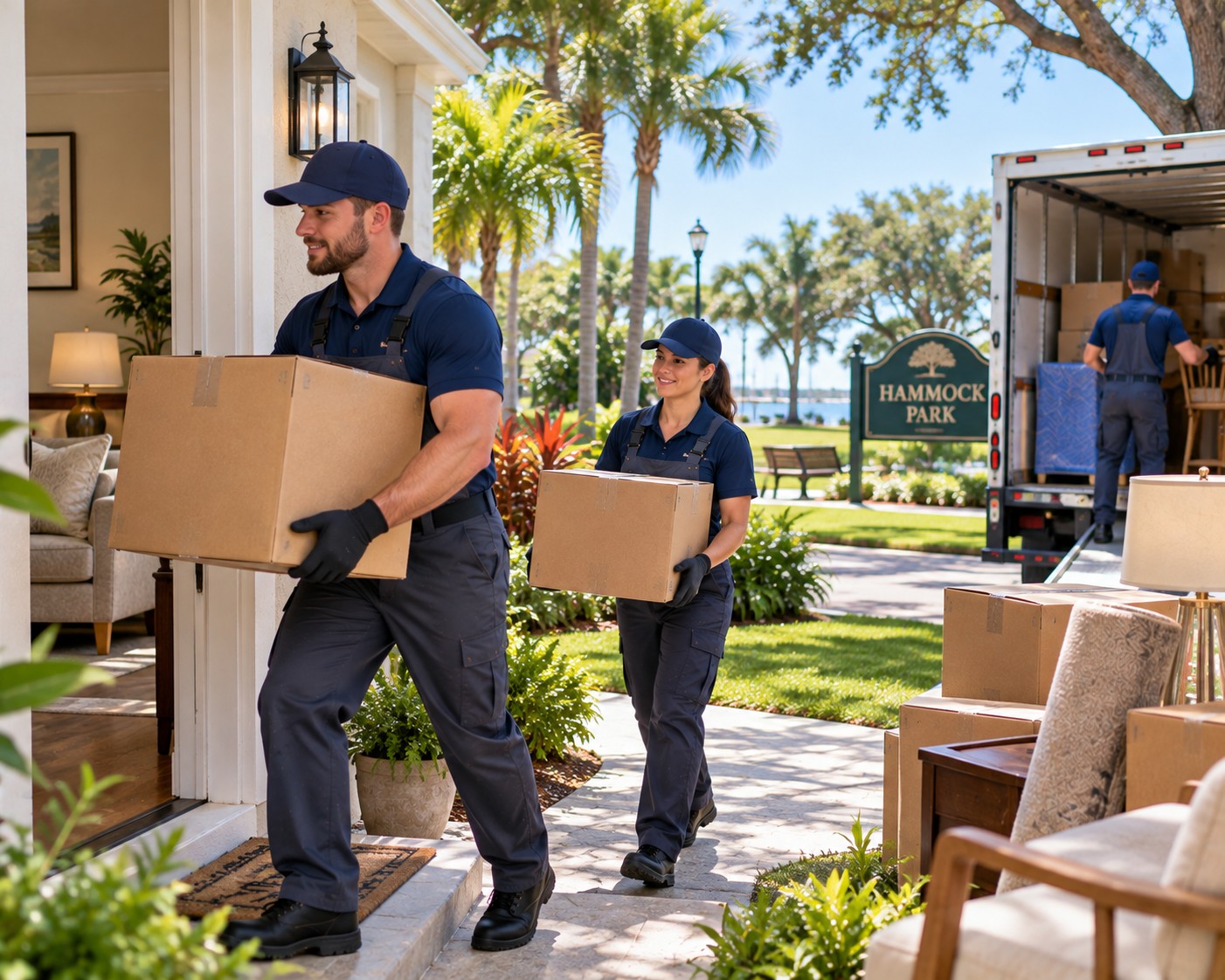
Living near Hammock Park offers a distinctly residential setting where the surrounding environment can be just as important as the house itself. When it is time to relocate, homeowners may be moving only a few streets away, changing to a larger property, or leaving Dunedin altogether. Regardless of the distance, a successful move depends on more than getting boxes onto a truck. Access, furniture handling, packing order, and timing all influence how smoothly the day unfolds.
Homeowners can begin organizing their relocation with https://dunedinmovers.com/ and build a moving plan around the particular needs of the property. A little preparation before moving day can prevent many of the delays that make residential relocations unnecessarily tiring.
Preparing a Home Near Hammock Park
Every property has its own access conditions. Before the movers arrive, walk from the likely truck parking area to the home’s entrance and consider the path large furniture will need to follow.
Look for steps, narrow gates, landscaping, tight corners, low branches, and other potential obstacles. Measure oversized furniture against doorways and hallways, especially if the home contains large sofas, bedroom sets, dining tables, or bulky shelving.
Identify the Awkward Pieces First
Some furniture is difficult because of its size rather than its weight. Others may be heavy enough to require specialized handling.
Create a short list of items that need extra attention. This can include:
- Large sectional sofas
- Solid wood cabinets
- Mattresses and bed frames
- Glass tables
- Home office desks
- Large appliances
- Outdoor furniture
Knowing about these pieces in advance allows the moving sequence to be planned around them.
Pack According to Your Daily Routine
Packing an entire house simultaneously can make everyday life difficult during the days leading up to the relocation. A better approach is to begin with possessions that are not needed regularly.
Seasonal decorations, spare linens, books, rarely used appliances, and decorative objects can be packed early. Keep everyday clothing, toiletries, basic kitchen items, electronics, and important documents accessible until the final stage.
Use clear labels that identify both the room and the general contents. A box marked “Kitchen—Pots and Pans” is much more useful than one simply labeled “Kitchen.”
Protect the Home During Loading
Residential moving involves repeated trips between the house and the vehicle. Floors, walls, doors, and furniture can all be exposed to accidental scuffs if the route is not prepared.
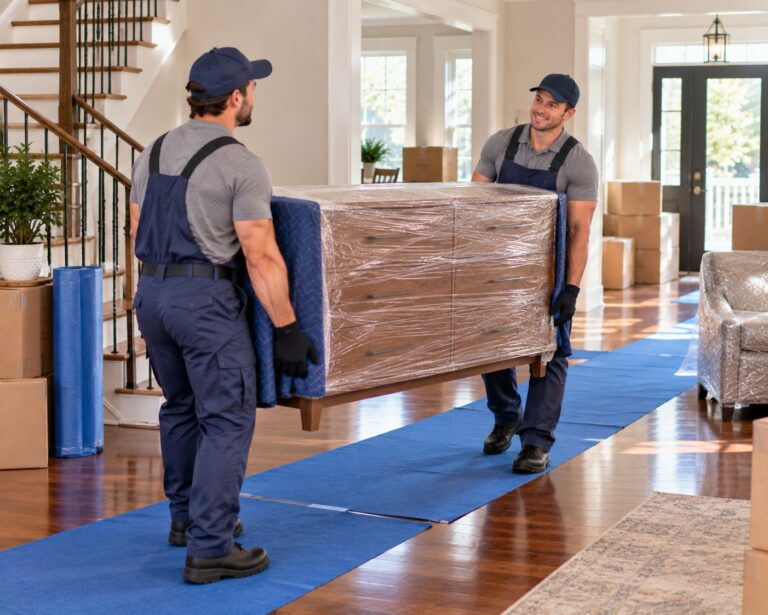
Moving blankets can protect larger pieces, while floor runners and corner protection can help reduce marks in high-traffic areas. Upholstered furniture should be covered before it leaves the house, particularly if the weather is unpredictable.
Furniture that can be safely disassembled should be prepared before loading whenever practical. Keep screws, bolts, brackets, and other hardware in labeled bags. For complicated pieces, taking photographs before disassembly can provide a useful reference during reassembly.
Build a Moving Schedule Around the Neighborhood
The timing of a local relocation can influence how efficiently the truck is loaded and how quickly the household can settle in. Families may need to work around school schedules, appointments, property closing times, or access restrictions at the destination.
The local moving services described at https://dunedinmovers.com/local-movers/ can be useful for homeowners who need assistance with packing, loading, transportation, unloading, furniture handling, or related stages of a Dunedin move.
A detailed schedule should include more than the truck’s arrival. Allow time for final packing, furniture disassembly, loading, travel, unloading, and basic setup at the new property.
Keep a Separate Essentials Bag
The family should have immediate access to necessities rather than placing everything inside the moving truck. Include medications, chargers, toiletries, documents, a change of clothes, snacks, and basic cleaning supplies.
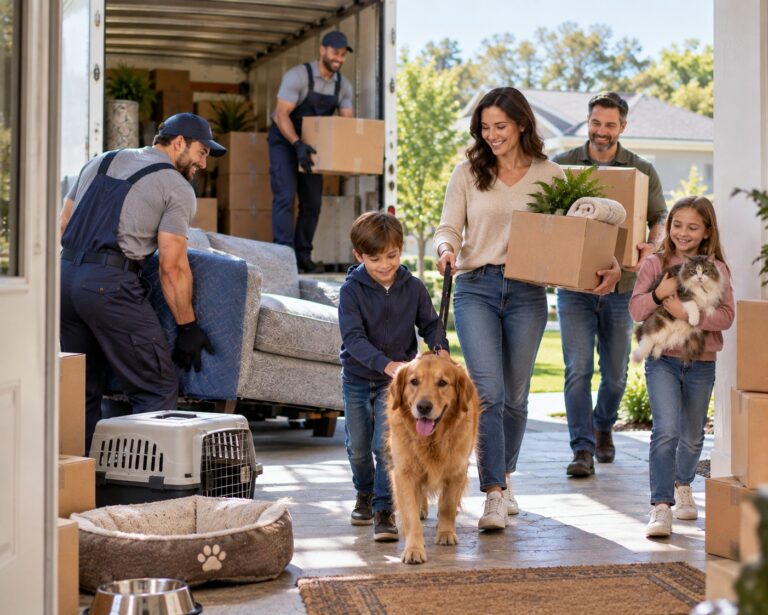
For families with children or pets, add familiar items that can make the first few hours in the new home more comfortable.
What to Do With Items That Do Not Fit
A residential move is also a useful opportunity to reconsider belongings that have accumulated over time. Furniture that will not suit the new floor plan does not necessarily need to be transported simply because it is still usable.
Consider selling, donating, recycling, or temporarily storing items that do not have an immediate place in the new home. This reduces the amount that must be handled and makes unpacking easier.
For households relocating near Hammock Park, thoughtful preparation can turn a potentially chaotic moving day into a structured transition. With an organized packing system, realistic timing, protected furniture, and experienced local support, homeowners can focus less on logistics and more on settling comfortably into their next Dunedin residence.
About the Author