A household with several pets has a different set of moving-day priorities. Dogs, cats, birds, rabbits, and other animals can become unsettled when familiar rooms fill with boxes, furniture starts disappearing, and doors remain open for hours. When the household is large, the challenge becomes even greater because there are more belongings to organize and more animals to keep safe.
A successful relocation starts by separating the needs of the people, pets, and moving crew. Nevada Movers provides professional assistance for household relocations in the Las Vegas area, allowing families to focus more attention on keeping their animals comfortable while the physical work is underway.
Prepare the Household Before Packing Begins
The earlier the preparation starts, the easier it becomes to prevent chaos. Create a simple inventory of your pets, their daily supplies, and any special requirements they have.
For each animal, consider preparing a separate travel or care kit containing:
- Food and treats
- Water and portable bowls
- Medications
- Leashes, harnesses, or carriers
- Waste bags or litter supplies
- Familiar bedding
- Favorite toys
- Important veterinary information
Keep these supplies separate from the household boxes. You do not want to unpack half the garage simply to find a bag of pet food on the first night.
Give Pets a Quiet Place on Moving Day
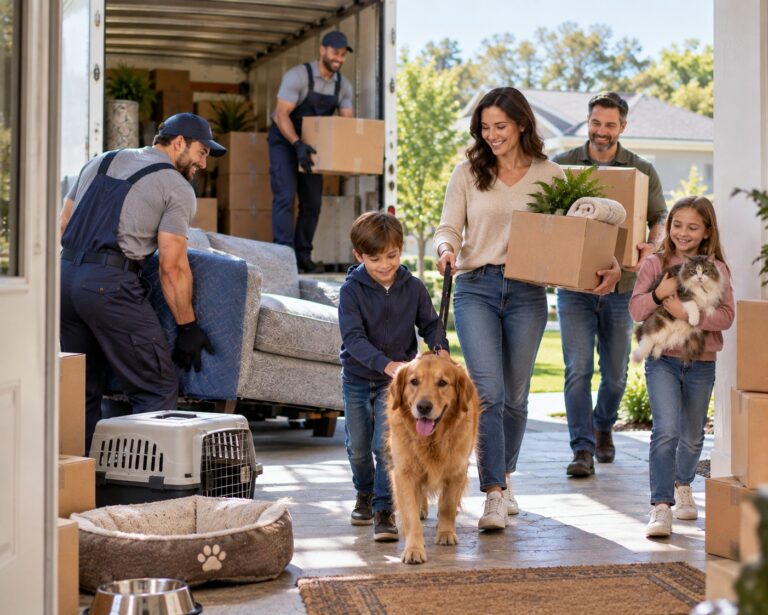
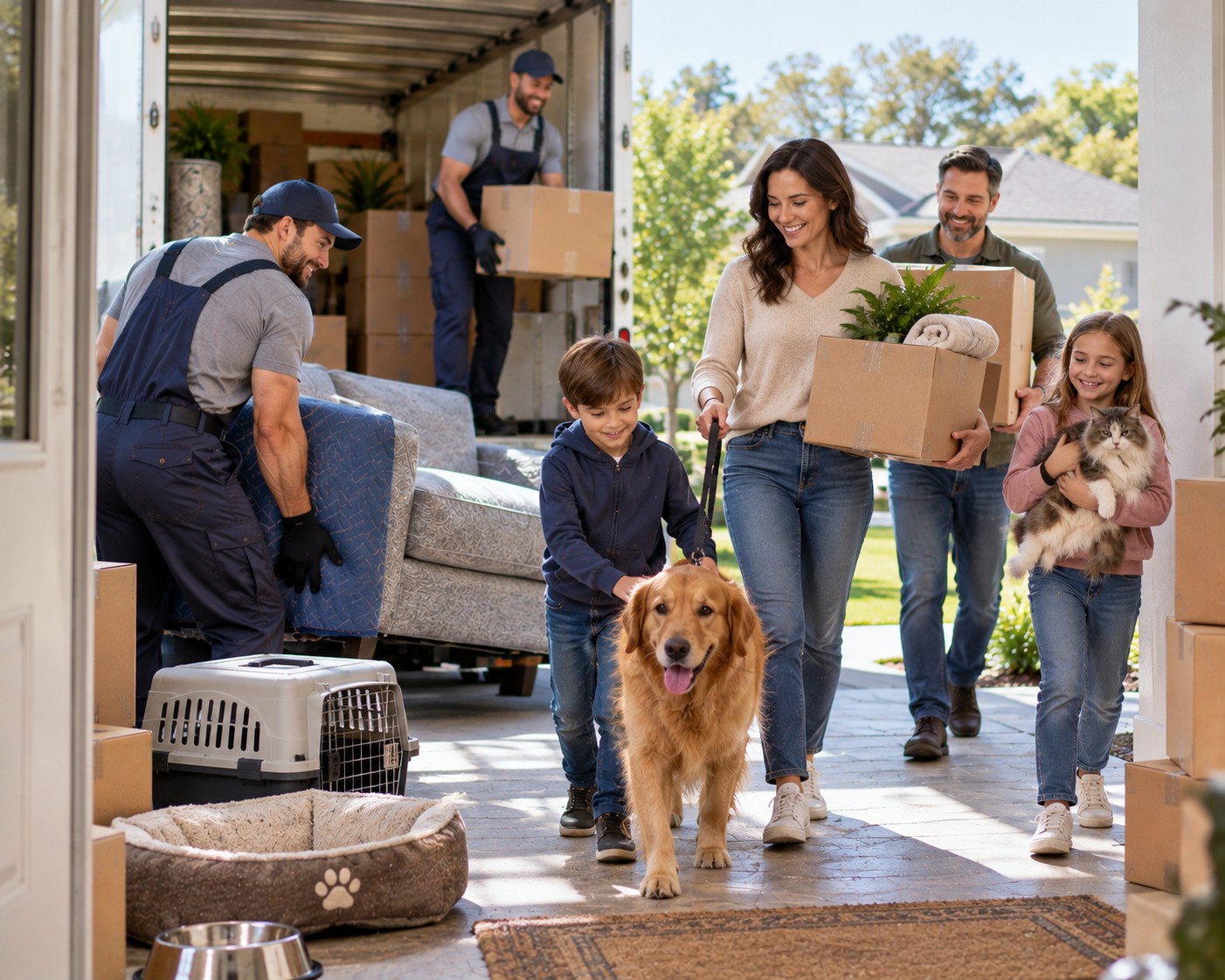
The most important rule for a pet-friendly move is keeping animals away from active loading areas. Open exterior doors create opportunities for nervous pets to escape, while moving furniture and boxes can create physical hazards.
Choose a secure room that will not be needed until the rest of the home has been cleared. Close the door and place a visible reminder outside so nobody accidentally lets an animal out.
For particularly anxious pets, arranging temporary care with a trusted friend, family member, boarding facility, or pet sitter may be easier. The right choice depends on the animal’s temperament and normal routine.
Make Residential Moving Less Disruptive for Animals
Residential moving already requires careful coordination when furniture, boxes, appliances, and personal belongings are being transferred. Adding multiple pets means there are additional routines to protect.
Try to keep feeding and medication schedules as close to normal as possible. Familiar bedding and toys should remain available for as long as practical rather than being packed early.
Keep One Room Familiar
Instead of gradually dismantling every part of the house, leave one quiet area relatively unchanged until the move is well underway. This gives pets somewhere familiar to retreat when the rest of the property begins to look unfamiliar.
Once the moving crew is nearly finished, transfer the animals into their travel carriers or other secure arrangements.
Plan the Journey Carefully
The method of transportation will depend on the type and number of animals. Dogs may travel in secured vehicles with appropriate restraints, while cats and smaller animals generally need suitable carriers.
For longer journeys, plan food, water, bathroom breaks, and temperature control in advance. Never leave animals unattended in a parked vehicle under unsafe conditions.
Keep veterinary records and medications accessible. If an animal has specific travel requirements, consult its veterinarian before departure.
Prepare the New Home Before Bringing Everyone Inside
If possible, establish a quiet room at the destination before releasing pets into the entire house. Put their food, water, bedding, litter box, toys, and other familiar items in that space.
This gives them a controlled environment while movers finish unloading. It also reduces the risk of an animal slipping through an open door.
Once the furniture is positioned and exterior doors are closed, gradually introduce pets to the rest of the property.
Expect an Adjustment Period
Even when the move goes smoothly, animals may behave differently afterward. A new home contains unfamiliar smells, sounds, rooms, and routines.
Some pets may hide, vocalize more than usual, become unusually clingy, or temporarily lose interest in normal activities. Maintaining familiar feeding and sleeping routines can help them adjust.
Families using professional residential moving support can reduce some of the physical workload and devote more attention to these behavioral changes.
Organize the New Home Around Your Animals
A large pet-friendly household benefits from thoughtful organization after the move. Decide where food will be stored, where litter or waste supplies will be kept, and where animals will sleep or retreat.
Keep frequently used supplies easy to reach. Secure potentially dangerous cords, cleaning products, small objects, and unstable furniture before allowing pets to explore freely.
Nevada Movers can handle the demanding physical side of the relocation, while your family concentrates on helping every animal settle into the new surroundings.
A move involving several pets requires more coordination than an ordinary household relocation, but preparation can make the process considerably calmer. With secure transportation, protected routines, designated quiet spaces, and organized moving assistance, both people and pets can transition into the new home with fewer disruptions.
About the Author